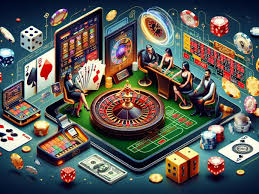
NFT-Based Lottery Platforms: The Future of Gaming and Investment
NFT-Based Lottery Platforms are redefining the way we perceive gambling and gaming. By integrating blockchain technology and non-fungible tokens (NFTs) into lottery systems, these platforms promise transparency, fairness, and a unique user experience. Unlike traditional lotteries, where winning is often shrouded in mystery, NFT-based lotteries provide a decentralized approach, allowing players to participate in a more engaging manner. For more information, check out NFT-Based Lottery Platforms betandres-br.com.
Understanding NFTs and Their Role in Lotteries
Non-fungible tokens are digital assets that represent ownership of unique items on the blockchain. Each NFT has distinct properties that differentiate it from others, making it ideal for use in lottery systems. In an NFT-based lottery, participants purchase or earn NFTs that represent their chances to win. These tokens are often designed with unique artwork or attributes, which can become collectible in their own right.
The Mechanics of NFT-Based Lotteries
Typically, a user joins an NFT-based lottery by acquiring NFTs that serve as lottery tickets. Each NFT might have different levels of rarity and potential value, impacting the odds of winning. Once the lottery concludes, the smart contract deployed on the blockchain automatically identifies the winners based on predefined criteria.
This process not only ensures impartiality but also allows for real-time results and verification, reducing the risk of fraud associated with traditional lotteries. Winning tokens can then be transferred directly to the user’s wallet, allowing for immediate liquidity, which is a significant advantage over conventional prizes.
The Advantages of NFT-Based Lottery Platforms
One of the most notable benefits of NFT-based lottery platforms is their transparency. Each transaction is recorded on the blockchain, making it easier for users to trace their purchases and verify results. This feature inherently builds trust among participants, which is crucial for a successful lottery.
Moreover, these platforms often come with a community aspect that traditional lotteries lack. Users can trade their NFTs, engage with other players, and participate in social events or online communities centered around the lottery. This communal interaction fosters a more enjoyable experience, making users feel like active participants rather than mere spectators.
Potential Risks and Considerations
Despite the numerous advantages, NFT-based lotteries are not without their risks. The volatility of the cryptocurrency market can significantly impact the value of NFTs, which in turn affects the perceived value of a lottery ticket. As with any investment, users should thoroughly research each platform and its offerings before participating.
Furthermore, there can be legal and regulatory challenges associated with gambling and cryptocurrencies, which vary widely by jurisdiction. Users must understand the legal landscape in their region to ensure compliance and avoid potential pitfalls.
Leading NFT-Based Lottery Platforms
Several NFT-based lottery platforms have emerged in recent years, each with unique features and benefits. Platforms like PoolTogether have garnered significant attention by offering a no-loss lottery model, where users can stake their tokens for a chance to win while keeping their principal intact.
Another noteworthy platform is Lucky Block, which integrates NFT rewards into its lottery systems, allowing participants to earn collectible tokens while they gamble. These platforms demonstrate the versatility and innovation that NFT technology brings to the lottery realm.
The Future of Lottery With NFTs
As NFT technology continues to evolve, the potential for new and innovative lottery systems is vast. We could see the merging of gamification, social aspects, privacy features, and real-time analytics to create fully immersive lottery experiences. Moreover, as more sectors of the economy recognize the utility of NFTs, the growing adoption of these platforms could lead to an entire ecosystem built around NFT-based lotteries.
Moreover, traditional lottery organizations may begin to adopt NFT technologies to modernize their operations and enhance user engagement. This transition could streamline their processes and attract a younger demographic, opening up entirely new revenue streams.
Conclusion
The introduction of NFT-based lottery platforms is transforming the gambling landscape by providing users with transparency, fairness, and increased engagement. As technology continues to advance, these platforms have the potential to reshape how lotteries function globally. However, participants must remain vigilant and informed about risks and regulations associated with this emerging market.
Engaging with NFT-based lottery platforms offers players a novel experience, utilizing modern technology to enhance traditional gambling. As this trend continues, it will be intriguing to see how various aspects of gameplay, community engagement, and reward mechanisms evolve, paving the way for the future of gaming and investment.

Leave a Reply